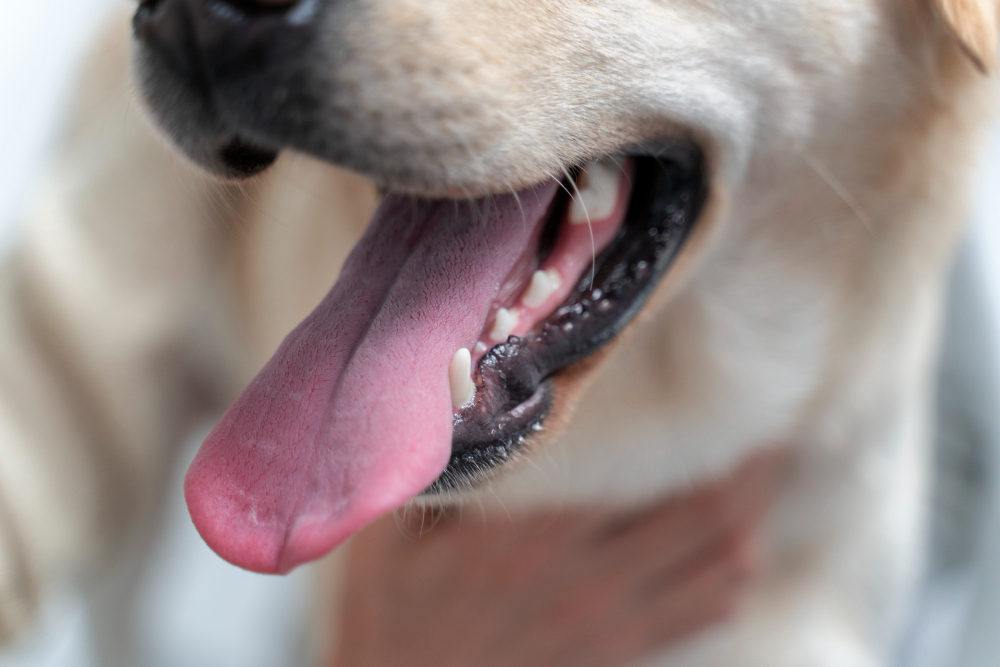
Like cats and dogs, pets experience the world with their highly sensitive noses and taste buds. These powerful senses help them navigate their environment, yet they also surprisingly influence their behaviors. Similar smells and flavors can repel humans, but pets fear certain scents and tastes. Understanding these can help you improve your pet’s comfort, behavior, and training. So, what smells and tastes are cats and dogs terrified of?
Cats and Their Sensitive Senses
Cats have an exceptional sense of smell, far more developed than humans. A cat’s sense of smell is 14 times stronger than ours! This heightened ability allows them to detect scents we can’t imagine. Here are some smells that cats often find frightening or unpleasant:
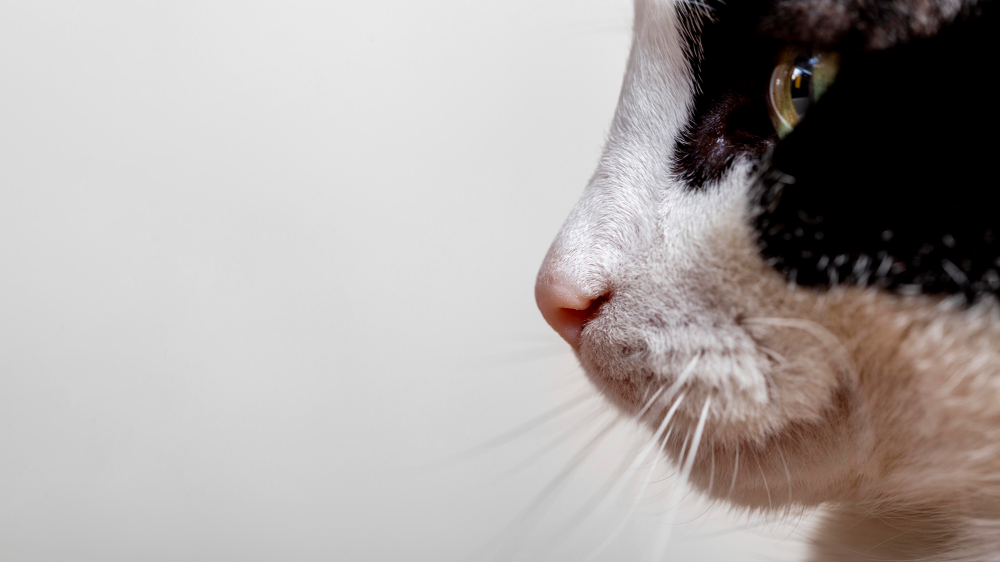
- Citrus: Cats are notorious for an aversion to citrus fruits like oranges, lemons, and limes. The strong, tangy aroma of citrus fruits is overwhelming for them and can cause them to retreat from any area where these smells are present. This is why many pet owners use citrus-scented sprays to deter unwanted behavior.
- Peppermint and Strong Scents: Cats dislike strong menthol and peppermint smells. The pungency of minty scents can be too sharp for their sensitive noses, often causing them to stay away.
- Bananas: The pungent odor of bananas, particularly the compound isoamyl acetate, can make cats uncomfortable. While they don’t pose a threat, this scent can cause confusion and discomfort for your feline friend.
- Spices: Certain spices, such as pepper, cloves, and cinnamon, are intensely pungent to cats. These smells can irritate their sensitive noses and even cause sneezing or avoidance.
Dogs and Their Smell Sensitivity
Dogs, like cats, have an extraordinary sense of smell, but it is about 40 times stronger than ours. Dogs rely on their noses for a great deal of information, from finding food to detecting danger. However, there are certain smells they tend to avoid or dislike:

- Citrus: Much like cats, dogs dislike citrus fruits. Many pet owners use citrus-scented cleaning products as a natural way to keep dogs away from specific areas. The sharp, zesty smell is simply too much for their sensitive noses.
- Vinegar: While vinegar can help clean and remove odors around the house, dogs dislike the scent. It is often a safe and effective training tool to deter dogs from unwanted behavior like chewing on furniture.
- Essential Oils: While some essential oils are calming for humans, dogs can have a strong aversion to them. Scents such as eucalyptus, tea tree, and peppermint are toxic to dogs in large quantities and can make them feel anxious or uncomfortable.
- Hot Peppers: Dogs have a very different taste perception than we do, and the pungency of hot peppers can be particularly overwhelming for them. The intense heat of these peppers can lead to a strong aversion, causing them to avoid food or objects in contact with such scents.
Tastes That Are Unappealing to Cats and Dogs
Just like with smells, both cats and dogs have distinct tastes that they find unappealing.
- Spicy Foods: While humans often enjoy the kick of spicy food, both cats and dogs avoid these types of flavors. Capsaicin, the compound responsible for spiciness, can cause discomfort in their mouths, leading them to shy away from any food or substance that carries this taste.
- Bitter Tastes: Cats, in particular, are known for their strong dislike of bitter flavors. This is why certain anti-chew sprays, often formulated with bitter ingredients, can be effective in keeping cats and dogs away from furniture or plants.
- Salty Tastes: While dogs may enjoy the occasional salty snack, excessive salt is not suitable for them. Compared to humans, cats and dogs are naturally less inclined to seek out salty foods. Their taste buds aren’t geared for the intense saltiness we often crave, making these flavors unappealing.
Final Thoughts
Cats and dogs may not express fear of certain smells and tastes in the same way humans do, but they do have distinct aversions. Understanding these aversions is key to fostering a harmonious relationship with your pet. Whether you’re trying to train, comfort, or keep them safe, taking their sensitive noses and taste buds into account will go a long way in ensuring they live their happiest and healthiest lives.